


Introduction:
If you’ve ever sat down to focus—only to find yourself checking your phone, opening new tabs, or drifting into unrelated thoughts—you’re not alone. Many people feel frustrated by how easily their attention slips away, even when the task at hand truly matters. This isn’t a sign of laziness or lack of ambition. It’s a reflection of how the human brain is wired and how modern life constantly pulls at that wiring.
Understanding why your brain craves distraction is the first step toward learning how to discipline it. Once you see the patterns clearly, you can work with your mind instead of fighting against it. This article breaks down the causes of distraction, explains how habits form at the mental level, and offers practical, realistic strategies for building focus and self-control over time.
Why Your Brain Craves Distraction
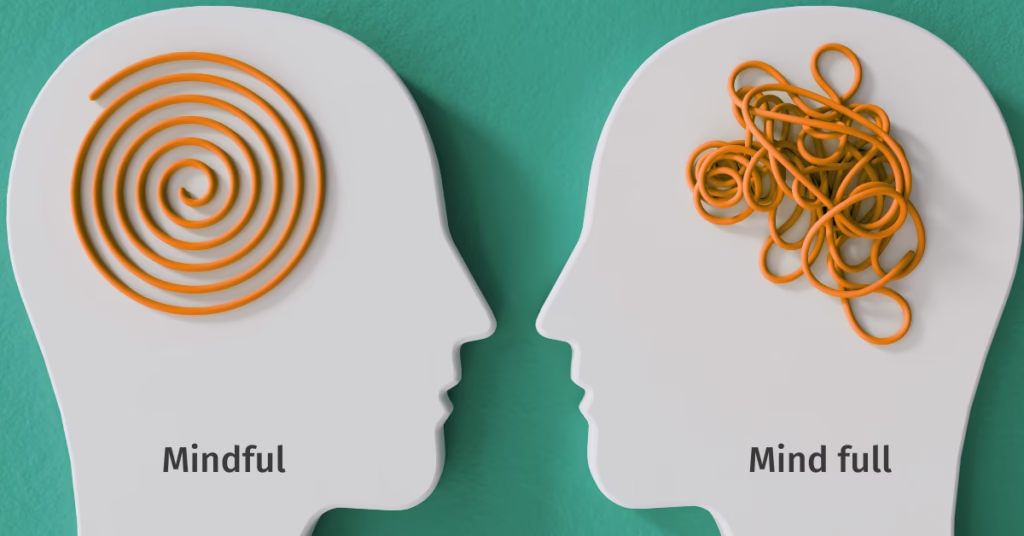
At its core, your brain is designed to seek comfort, novelty, and reward. Distraction offers all three.
When you switch tasks or check something new, your brain gets a small burst of stimulation. That stimulation feels good, even if it’s fleeting. Over time, your mind begins to associate distraction with relief from effort, boredom, or uncertainty.
The Role of Instant Reward
Your brain prefers quick rewards over long-term benefits. Scrolling, notifications, and constant information provide immediate feedback with little effort. Deep focus, on the other hand, requires patience before any reward shows up.
This imbalance trains the brain to crave what is easy and avoid what feels demanding. The more often you give in, the stronger the habit becomes.
Mental Energy and Avoidance
Focus consumes mental energy. When that energy dips—due to stress, poor sleep, or overload—the brain looks for escape routes. Distraction becomes a coping mechanism, not because the task is impossible, but because the mind wants relief.
Modern Environments Make It Worse
Your brain evolved in environments with limited stimulation. Today, it faces endless choices, alerts, and content. This constant input overwhelms attention systems, making distraction the default state rather than the exception.
Common Patterns That Keep You Distracted
Distraction rarely shows up randomly. It follows patterns that repeat unless they are interrupted.
Task Switching Instead of Task Completion
Jumping between tasks gives the illusion of productivity. In reality, it fragments attention and increases mental fatigue. Each switch comes with a cognitive cost that drains focus faster than sustained effort.
Using Distraction as Emotional Relief
Many people distract themselves not because the task is hard, but because it triggers discomfort. That discomfort might be uncertainty, fear of failure, or simple boredom. Distraction becomes a way to avoid those feelings.
Overloading Your Brain With Goals
Trying to do too much at once scatters attention. When everything feels important, the brain struggles to prioritize, leading to avoidance and mental drift.
How Habits of Distraction Are Formed
Distraction is not just a behavior; it’s a habit loop.
A cue appears—boredom, difficulty, or stress.
The response is distraction—checking a device, switching tasks, or daydreaming.
The reward is relief—temporary comfort or stimulation.
Over time, this loop becomes automatic. The brain learns that distraction solves discomfort quickly, even if it creates bigger problems later.
How to Discipline Your Brain Without Forcing It
Disciplining the brain doesn’t mean suppressing thoughts or relying on constant willpower. It means reshaping habits and environments so focus becomes easier.
Start by Reducing Friction
Make distraction harder and focus easier. Small environmental changes have a big impact.
Put your phone out of reach when working.
Close unnecessary tabs before starting a task.
Designate specific times for checking messages.
These steps don’t require motivation. They reduce temptation.
Train Focus in Short Intervals
Expecting hours of uninterrupted focus sets you up for frustration. Start with manageable blocks of time.
Work in short, intentional sessions.
Take brief breaks between sessions.
Gradually increase focus duration as your mental stamina improves.
This approach respects how attention actually works.
Redefine What “Discipline” Means
Discipline isn’t harsh control. It’s consistency in small actions. Showing up for five focused minutes daily builds more discipline than occasional bursts of intense effort.
Learn to Sit With Mild Discomfort
Focus often feels uncomfortable at first. That discomfort isn’t a signal to stop; it’s a sign that your brain is adapting.
Instead of escaping, notice the urge to distract yourself. Pause. Let it pass. Over time, the urge weakens because it’s no longer rewarded.
Mindset Shifts That Rewire Attention
Long-term focus comes from changing how you relate to effort and boredom.
Stop Expecting Constant Motivation
Motivation is unreliable. Focus improves when you act first and let motivation follow. Waiting to feel ready keeps you stuck in distraction cycles.
Accept Boredom as Training
Boredom isn’t the enemy. It’s a training ground. When you resist filling every quiet moment, your brain relearns how to sustain attention without constant stimulation.
Separate Identity From Performance
If you tie self-worth to results, focus becomes stressful. When effort feels like a test of identity, the brain avoids it. Treat focus as a skill you’re practicing, not a judgment of who you are.
Common Mistakes That Undermine Mental Discipline

Even with good intentions, certain mistakes can stall progress.
Trying to quit all distractions at once overwhelms the brain and backfires.
Relying solely on willpower leads to burnout.
Expecting permanent focus sets unrealistic standards.
Beating yourself up for lapses reinforces avoidance rather than improvement.
Progress comes from awareness and adjustment, not self-criticism.
How Long It Takes to Rebuild Focus
Mental change is gradual. Most people notice small improvements within a few weeks of consistent practice. Stronger attention habits develop over months, not days.
Expect fluctuations. Some days will feel easy; others won’t. What matters is returning to the practice, not maintaining perfection.
Your brain changes through repetition, not intensity.
Building a Sustainable Focus Routine
Consistency beats complexity. A simple routine that you repeat daily trains your brain more effectively than elaborate systems you abandon.
Choose one main task per session.
Set a clear start and end time.
Remove obvious distractions before beginning.
Reflect briefly afterward on what worked.
These small steps compound into noticeable mental strength over time.
The Bigger Picture: Focus as a Life Skill
Learning to discipline your attention affects more than productivity. It improves learning, decision-making, and emotional regulation. When you control where your attention goes, you gain more control over your choices and outcomes.
Distraction pulls life apart into fragments. Focus brings it back together.
Conclusion: Take Back Control of Your Attention
Your brain craves distraction because it seeks ease and comfort, not because it’s broken. Understanding this removes guilt and replaces it with strategy. Discipline doesn’t come from forcing focus but from designing habits and environments that support it.
Start small. Be patient. Treat focus as a skill, not a personality trait. Over time, your brain will learn that depth is more rewarding than escape—and attention will follow.
Frequently Asked Questions (FAQ)
Why does my brain seek distraction even when tasks are important?
Because distraction offers quick relief and stimulation, while important tasks require effort.
Is distraction a sign of low intelligence or motivation?
No, it’s a learned habit shaped by environment and reward patterns.
How can I improve focus without relying on willpower?
By reducing distractions, building routines, and training focus in short sessions.
How long does it take to retrain attention?
Most people see changes in weeks, with stronger habits forming over months.
Is multitasking harmful to focus?
Yes, frequent task switching weakens sustained attention and increases fatigue.
Can boredom help improve concentration?
Yes, tolerating boredom trains the brain to sustain focus without constant stimulation.
What is the biggest mistake people make when trying to focus?
Expecting instant results and trying to eliminate all distractions at once.