


Introduction:
Self control seems like an individual vice. You decide to concentrate, to eat healthier, to spend less or lessen procrastination- in some way you do not. The distance between the wish and the will can be annoying, almost humiliating. Most individuals believe that it is the absence of will power or discipline.
The reality is more realistic and much less critical. The actual mechanics of self-control in the brain have little to do with the strength of the moral aspect but everything to do with the mechanisms of brain management of energy attention and emotional signals. Once you think this, self-control will no longer seem like a battle that you must always rely on, instead it will be like a skill that can be trained.
This paper describes self-control clearly and in a human manner. It requires no complex science, no overselling of claims and that is how your brain makes decisions, why it fails to do so at times and how to have it work with you rather than against you.
What Self-Control Really Is (And What It Isn’t)
Self-control is the capacity of the brain to take a break, weigh alternatives, and undertake actions that are congruous to the long-term expectations as opposed to the short-term desires. It is not a question of craving and pushing oneself to suffering.
One myth that is most common is that there is no limit to self-control. As a matter of fact, it relies on mental resources such as attention, emotional control and energy. Self-control is low when such resources are low.
The other misconception is that a strong self-control is that which never struggles. The fact of the matter is that everybody has internal conflict. The variance is the effectiveness of the brain in solving that conflict.
The knowledge of the mechanism of self-control in the brain eliminates shame in the process. It uses strategy instead of self reproach.
The Brain Systems Involved in Self-Control
There are various systems in your brain that are in a continuous interaction process. The quality of communication of these systems leads to self-control.
Impulse and reward is the responsibility of one system. It drives you to comfort, gratification, and direct ease. It is a fast-reactive system that is also emotional.
Planning, reasoning and long term thinking is dealt with by another system. It is less fast, more conscious, and it involves the mind.
When the planning system is effective in controlling the impulse system, self-control occurs. Imbalances in the balance – stress, fatigue, overload, etc. – give the impulses a more convincing victory.
This isn’t a character issue. It’s a brain management issue.
Why Self-Control Feels Harder Than It Should
The brain is overwhelmed leading to the problem of self-control. In the contemporary world, there is a constant rush of attention, thinking, and emotion.
Decision fatigue is one of the significant factors. Mental energy is consumed in every decision you make. When the day is over your brain is less able to resist impulses, even when you are intending to be strong willed.
Emotional stress is another cause. Whenever emotions are strong, the brain is likely to be more concerned with immediate comfort and not about long-term gain. That is why stress tends to cause impulsive behaviors.
The lack of sleep, overload of information, and the multitasking also decrease self control. These do not imply that you are not disciplined, they merely imply that your brain is being overloaded.
Common Patterns That Undermine Self-Control
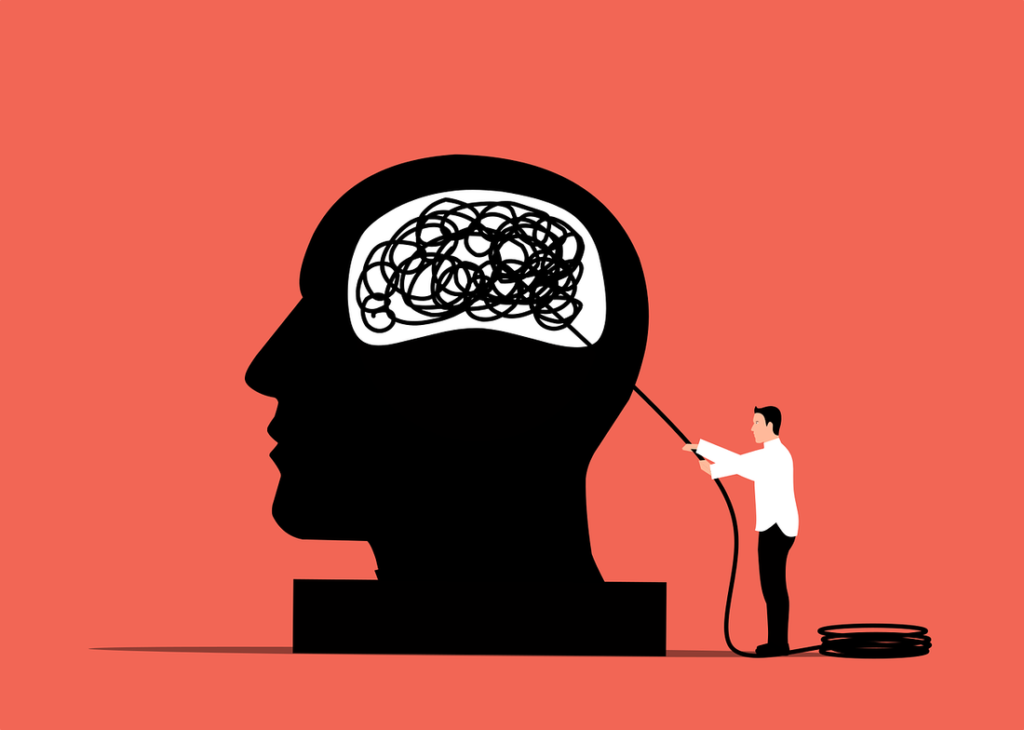
A lot of individuals work to sabotage themselves.
One trend is the sole dependence on motivation. The motivation varies, whereas systems and habits remain constant. As the motivation declines, so does self-control.
Environment design is another problem. When temptations are ever present then your brain has to work extra hard to overcome them. With time resistance becomes weaker.
All-or-nothing type of thinking is prevalent as well. A single slip will result in a complete abandonment, although there is still some progress to make.
These trends do not imply that you are a weak person. They imply that your method is not congruent with the real-world mechanism of self control in brain.
The Role of Attention in Self-Control
The secret of self-control is attention. What you pay attention to will define what your brain concentrates on in terms of the signals being amplified.
Looking at temptation causes an increase in impulse strength. When the focus moves to the outcomes or values, the control is enhanced.
That is why distractions are that harmful to self control. The division of attention undermines the brain capacity to take a break and analyze.
Training attention: The ability to pay attention with a specific type of work and limited distractions through controlled breaks directly boosts self-control ability.
Emotions and Self-Control: The Hidden Connection
Emotions are very powerful in self control, which is mostly stronger than logic.
Regarding the opinion that the emotions are not regulated, they steal the decision-making. The brain is in need of comfort, escape or validation. Long term objectives become a thing of the past.
An important skill in this case is emotional awareness. Labeling your emotions dilutes emotions. This provides psychological space to make decisions.
This does not imply the repression of emotions. It is an acceptance of them without being automatic. Regulation of emotions facilitates self-control as opposed to competing with self-control.
Practical Ways to Rewire Self-Control at the Brain Level
Reduce Cognitive Load
Brain works best when it does not have so many unnecessary decisions to make. Simplify routines. Automate small choices. Develop defaults, which are favorable to your objectives.
This helps to save the mind power on occasions that absolutely demand self control.
Change the Environment Before Changing Yourself
Ddetermination is less strong than circumstances. In case one is always tempted by something, eliminate or keep it away.
It is not avoiding it but clever brain management. The impulse signals become weaker when there is no sight of temptation.
Use Delayed Response Instead of Denial
You should not say I can’t but you should say I will make a decision later. The act of postponing a decision lowers emotional urgency.
Thirsts, as they grow into a void. This strategy proves to be effective since it is consistent with the working of self-control in the brain.
Build Identity-Based Habits
Self control becomes less straining when it is in line with identity. On the one hand, instead of dictating how to act, reinforce the kind of person you are becoming.
Minor repeated behavior redefines identity that alleviates internal opposition in the long run.
Why Willpower Alone Is a Weak Strategy

The planning system of the brain is important in the process of willpower and it is energy-consuming. At the point where that energy becomes exhausted, it is replaced by impulses.
This is the reason why only will power makes them inconsistent. It functions at first, but falls apart afterwards.
The systems, habits and supportive environments decrease the use of will power. They give self-control the power to work automatically and not to coerce.
Common Mistakes That Block Progress
Anticipating immediate change is one great error. The structure of the brain requires time to get rewired. Unrealistic schedules have the tendency to frustrate.
Self-criticism following a failure is another error. Self-talking harshly adds more stress and this further deteriorates self-control.
Self control is another aspect that most people overestimate, which they are supposed to have at all times. The mind has a natural fluctuation of energy.
When reality is equal to expectations, progress is enhanced.
How Long Does It Take to Improve Self-Control?
This is because small advances may be realized within weeks and environment and routines changed.
More automatic self-control is found in deeper and more developed layers after months of practice. The brain reinforces the routes that it travels habitually.
Prejudice of how self-controlling actually works in brain assists to stay patient in the process. A gradual change is not very quick, yet steady.
Self-Control and Long-Term Personal Growth
Self-control does not imply restraint–it means liberty. Once the decisions are no longer based on impulses they open up.
Increased self-control leads to a higher level of concentration, emotional stability, and confidence. It espouses learning, relationships and long-term objectives.
Above all, it minimises intra-organizational strife. You consume less of your energy in struggle with yourself and more in accumulation of the strength.
That is why self-control plays one of the fundamental roles in the process of mental development rather than being the system of punishment.
Conclusion: Work With Your Brain, Not Against It
Self-control is not a personality characteristic that is either inherited or not. It is a processing of your brain in regard to attention, emotion and energy.
When you know how the process of self-control really works in the brain, it will make failure more impersonal and achievement more attainable. You cease to impose discipline but you design systems to help establish it.
Self control is more consistent, serene and sustainable with the right approaches. Not in the sense that you grew tougher – because you grew wiser about the functioning of your own mind.
FAQs: Self-Control and the Brain
What is self-control in simple terms?
Self-control is the brain’s ability to choose long-term goals over short-term impulses.
Why does self-control fail under stress?
Stress reduces mental resources needed for regulation and decision-making.
Is self-control the same as willpower?
No, willpower is only one part of self-control and is easily depleted.
Can self-control be trained?
Yes, consistent habits and environment design strengthen self-control over time.
Does fatigue affect self-control?
Yes, mental and physical fatigue reduce regulation capacity.
How long does it take to build better self-control?
Noticeable changes appear in weeks; deeper change takes months.
Is self-control linked to emotions?
Yes, emotional regulation strongly influences self-control ability.