


Challenging yourself harder, thinking more quickly, or never feeling like you are too exhausted is what most individuals consider as mental strength. As a matter of fact, the most powerful brains are not loud and aggressive. In times of distress, strong individuals remain calm and thoughtful. Instead of reacting instantly, they carefully manage their emotions and make decisions that protect their future.
Daily life is full of emotional response decisions, relationship, productivity, and confidence determination, which are silently guided by the emotional reactions. A critical remark destroys your day. One little slip gets you off your path. The pressure turns to disappointment, followed by the regret. This is not weakness, it is unmanageable emotion.
That is why why emotional control is the supreme mental power is more than a motivation concept. It’s a practical truth. Once you start controlling the emotions rather than the latter controlling you, you will be able to have clear minds, strength and impact on your behavior in the long term.
This paper dissects the mechanisms of emotional control, the importance of emotional control, and how you can can build emotional control in a lifelike, natural manner, without repressing feelings or acting as though all is going well all of the time.
What Emotional Control Really Means
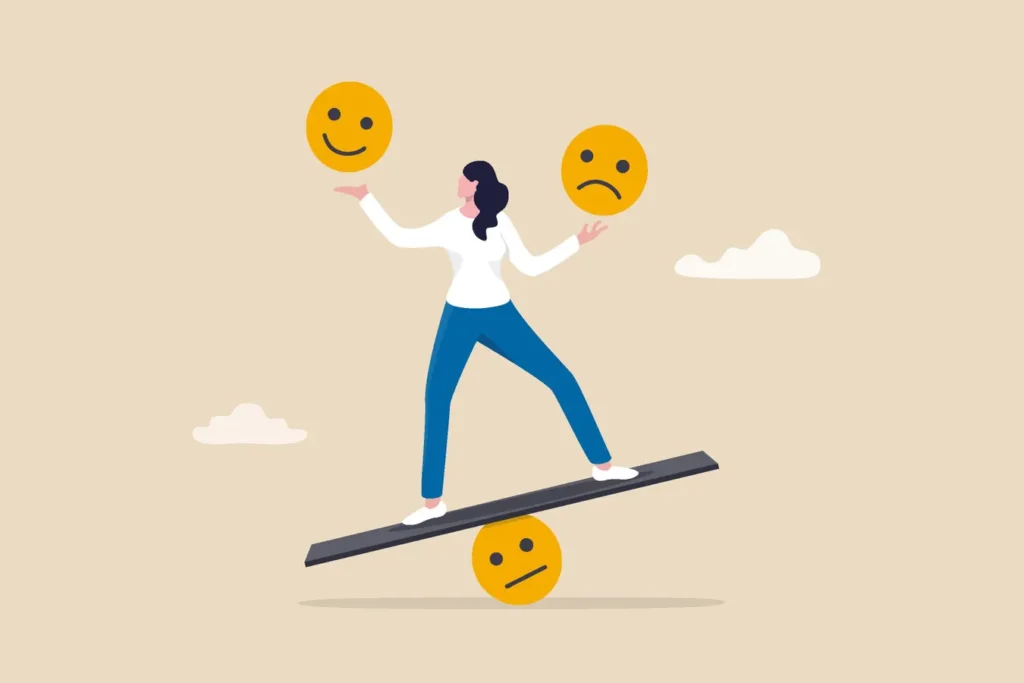
The emotional control is misperceived. It does not imply that you should shun feelings, stuff them down or that nothing can influence you. True emotional control means being able to move through emotion without its control over your behavior.
You are angry, stressed, disappointed or even scared. The contrast is that you control the way you react. Before taking action, you pause and think carefully, choosing to respond consciously instead of reacting impulsively.
This is the basis of emotional intelligence and mental discipline. It enables you to remain firm even in the unforeseen circumstances.
When individuals pose questions as to why emotional control is a supreme of mental strength, the response is easy, emotions affect all decisions you make. When they are under your control, then you are under your control.
Why Emotional Reactivity Is So Common Today
The contemporary life is ever evoking emotional reactions. Notifications are to be addressed. In the social media, comparison is rewarded. Fear and outrage are enhanced by news cycles. The brain is subjected to constant stimulation.
Instant reaction is one of the general patterns. Before people get the whole picture they react emotionally. Messaging is carried out in desperation. Raisin Eating is a stressful decision making. Regret follows later.
Mental exhaustion is another reason. The regulation of the emotions by the mind is weakened when the mind is fatigued. Small problems feel bigger. Patience runs thin. Being in control of emotions also takes energy and most individuals fail to guard theirs.
There is also unresolved stress. Emotions build up when they are not handled adequately. Later, they become manifested in the form of being irritable, anxious, or throwing emotional tantrums that appear to have no origins.
The Link Between Emotional Control and Mental Strength
Mental strength is the power to remain grounded by the state of affairs being unstable. That is possible through emotional control.
Nobody can be intelligent without control of emotions. Motivation doesn’t last. Obedience fails when the pressure is on. A great mentality is not a mentality that does not do anything hard, it is a mentality that does not get lost in the struggle.
This is the reason why emotional control reaches the top of mental strength. It allows you to:
- Think clearly under stress
- Respond instead of react
- Never lose hope in failures.
- Guarantine concentration and decision making.
People who are led by emotional powers never turn challenges down. They do not squander on them.
Common Situations Where Emotional Control Fails

Emergency cases Emotional control is best checked in daily situations rather than on extreme cases.
Criticism is a major trigger. One bad comment may overwhelm the good commentary. In the absence of control defensive or self-doubt follows.
Conflict is another area. Emotional instincts are triggered by raised voices and fierce opinions. It is not the issue that makes many of the arguments escalate, rather it is the emotions that drive the debates.
Emotional habits are also revealed during failure. It is easy to become frustrated when things do not go as expected, eventually leading to either quitting or self-deprecation.
The identification of these patterns is a precursor to change. You are not supposed to be deprived of emotion you are supposed to control it.
Practical Techniques to Rewire Emotional Responses
Create Space Between Feeling and Action
The pause is the most effective emotional competence. Act not at the time emotion is excited. Impulsive behavior can be avoided even in a couple of seconds.
In this area, there is room to enable logic to rejoin the discussion. The pause becomes automatic with time, and a greater control of emotions is made strong.
Name the Emotion Clearly
Feelings diminish their power until the right name is applied. Rather than mentioning that I am stressed, specify it. Do you feel angry, confused, dissatisfied or afraid?
Understanding eliminates emotional indulgence. Once you name the emotion, you would have control over it.
Shift Focus to What You Can Control
Feelings are quickly out of control once you remain focused on things that are beyond your power. The actions of other people, their previous errors or the results of the future cause unwarranted mental noises.
Move on to the next action step. It is even minor progress that keeps emotional energy at bay.
Practice Neutral Self-Talk
Emotional instability is fed by harsh interior monologues. Substitute drastic thinking with neutral thinking.
Rather than always mess up, change to this did not work but I can modify it. This is not a form of forced positivity, it is realistic thinking.
Why Suppressing Emotions Backfires
Many people confuse emotional control with emotional suppression. Suppression doesn’t build strength; it builds pressure.
Ignored emotions don’t disappear. They resurface as burnout, resentment, or sudden emotional reactions that feel uncontrollable.
True emotional control allows emotions to exist without letting them dictate behavior. You feel fully, but you respond wisely.
This balance is what separates emotional maturity from emotional avoidance.
Common Mistakes That Prevent Emotional Growth

One major mistake is expecting instant results. Emotional habits develop over years. Rewiring them takes patience and repetition.
Another mistake is trying to control emotions during high-intensity moments without practice. Emotional regulation must be trained during calm periods first.
Some people also believe emotional control means becoming emotionally distant. In reality, it increases emotional depth by reducing chaos.
Avoid comparing your emotional progress to others. Everyone’s baseline and triggers are different.
How Long Does It Take to Build Emotional Control?
Small improvements can appear within weeks. You may notice fewer impulsive reactions or quicker emotional recovery.
Deeper emotional regulation develops over months of consistent practice. The goal isn’t perfection—it’s awareness and improvement.
Emotional control strengthens gradually, much like a muscle. Each time you choose a calm response, the skill becomes more natural.
Understanding why emotional control is the highest form of mental strength helps maintain motivation during this process.
Emotional Control and Long-Term Success
Professionally and personally, emotional control creates leverage.
Leaders with emotional control make better decisions. They listen instead of reacting. They earn trust through consistency.
In relationships, emotional regulation prevents unnecessary conflict and improves communication.
Internally, it builds confidence. When you trust yourself to handle emotions, fear of situations decreases.
This is why emotional control isn’t just a mindset—it’s a life skill.
Conclusion: Strength Isn’t Loud, It’s Steady
Mental strength isn’t about dominance, toughness, or emotional numbness. It’s about stability. It’s about staying grounded when emotions try to pull you off course.
Understanding why emotional control is the highest form of mental strength changes how you approach challenges. You stop fighting emotions and start managing them.
With practice, emotional control becomes your quiet advantage. It protects your focus, strengthens your decisions, and gives you freedom from impulsive reactions.
You don’t need to be emotionless to be strong. You need to be intentional.
FAQs: Emotional Control & Mental Strength
What is emotional control?
Emotional control is the ability to manage emotions without suppressing them.
Why is emotional control important for mental strength?
It prevents impulsive decisions and supports clear thinking under pressure.
Does emotional control mean hiding feelings?
No, it means acknowledging emotions without letting them control actions.
Can emotional control be learned?
Yes, it improves through awareness, practice, and consistency.
How long does it take to improve emotional control?
Small changes appear in weeks; deeper control develops over months.
Is emotional control the same as emotional intelligence?
Emotional control is a core part of emotional intelligence.
Can emotional control reduce stress?
Yes, regulated responses lower unnecessary emotional strain.