


Introduction: Why Everyone Is Talking About Dopamine
The name dopamine detox has likely come across your ears once you had a problem with your focus, motivation, or being distracted constantly. The social media claims that by quitting pleasure in several days, you will re-program your brain and get inspired again.
That thought is an enticement to many individuals. Life feels noisy. Attention feels fractured. When the productivity becomes less, the inner critic becomes more prominent. There is an urge to have a fresh start.
The thing is that, here is where the issue lies; the majority of the individuals mix dopamine detox with that which enhances focus and cognitive development. Lacking any extremes is rather counter-productive, causing frustration, guilt, and relapse.
So what really works? Is dopamine detox therapy or dopamine control the preferred therapy?
This paper dissects dopamine detox vs dopamine regulation in a logical practical manner. You will know what dopamine does, why radical methods do not work, and how to create a sustainable system that can be used to help one become motivated and self-improving in the real-life spectrum.
What Dopamine Really Does (And What It Doesn’t)
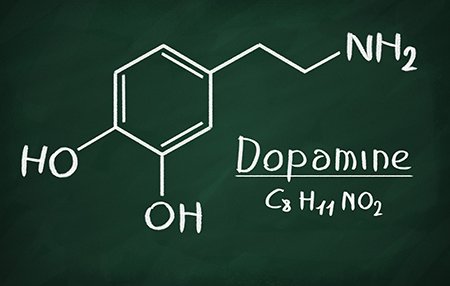
Dopamine is referred to as the pleasure chemical and this term is not comprehensive.
Dopamine is mostly concerning anticipation and motivation. It also assists your brain to make a judgment on what is worth pursuing. The spiking of dopamine in your brain results in your brain saying, Pay attention to this.
It is not a matter of dopamine nowadays. It has to do with the frequency and the intensity with which it is stimulated.
The brain is conditioned to amuse itself with hits of constant notification, endless alternatives and instant rewards. Slower meaningful tasks and tasks become less attractive with time.
This is not a moral failure. It’s a conditioning issue. And there is where the debate of detox and regulation comes out.
What Is a Dopamine Detox?
A dopamine Cleanse is typically a process in which there are a temporary cessation of pleasant or stimulating activities. This could be the social media, entertainment, junk food or even a conversation.
It is believed that withdrawal of stimulation will re-set the dopamine level and reinstate motivation.
Temperate versions are other mild and deliberate versions. There are other extreme and unrealistic ones.
The analogous term was popularized by the online creators and was later addressed by clinicians such as Anna Lembke who argues that the focus should be placed on balancing, but not punishing.
The main problem is the way in which individuals perceive detox. It is a common assumption that dopamine is bad which is not the case.
Dopamine is very crucial in learning, curiosity, and advancement. It is neither possible nor advantageous to get rid of it altogether.
Why Dopamine Detox Often Fails
Most individuals have failed in dopamine detox as it is a deprivation issue rather than designing.
By getting rid of everything that is enjoyable all at once, you intensify stress and resistance. This is responded to by the brain craving stimulation even harder.
This also is likely to create an all or nothing cycle:
- Strict restriction
- Temporary focus
- Emotional fatigue
- Relapse into old habits
- Higher levels of guilt and self critique
Such a cycle nourishes the inner critic and destroys inspiration.
Extreme detox also disregards the situation. Students, professionals and parents cannot possibly do away with stimulation without upsetting the daily responsibilities.
What Dopamine Regulation Actually Means
The regulation of dopamine is not abolition but rather control.
You are in control of when, how and why you are exposed to stimulation, rather than eliminating it. You diminish obsessive-compulsive nature and save pleasure.
It is a more appropriate method of long-term mental development and personal enhancement.
Dopamine controls are concerned with:
- Poning off the gratification rather than doing away with it.
- Establishing edges around hyperstimulative activities.
- Combining work with quality pay.
It is not an anti-brain method, but rather accommodates the way the brain functions.
The Role of Mindset in Dopamine Control
Dopamine habits will be beneficial or detrimental to you depending on your way of thinking.
When your mind is fixed, then distraction to you is failure. Those cause shaming and apprehension. When your attitude is loose, then distraction can be regarded as feedback.
Growth oriented mentality allows experimental considerations rather than punishments.
You don’t ask, “Why am I weak?”
You say, What world am I conditioning my brain to?
This change by itself decreases stresses and increases uniformity.
How Regulation Helps Rewire Your Mind
Patterns are adapted by your brain. In situations where stimulation is predictable and fixed, concentration becomes poor. Focus is increased by intentional and structured stimulation.
Dopamine mechanisms can be used to restructure your brain and reorganize the reward systems.
For example, when you:
- Study first, then scroll
- Seriously work and then earn a worthwhile rest
- Complete work before taking some entertainment
You train your brain to equate toil with compensation.
As time goes, the motivation gets augmented as the brain gets to understand that improvement results in satisfaction.
The Inner Critic and Dopamine Extremes
The hard-core detox methods have a tendency to empower the inner critic.
When what are being followed are not done strictly people tag themselves as undisciplined or broken. The self-discussion depletes energy and heightens evasion.
Dopamine control promotes sober ideals. It does not need perfection to give up progress.
Positive self talk is very important here. You do not say that “you ruined my detox” instead, you say that “you noticed what caught your attention. I’ll adjust.”
The language encourages education rather than humiliation.
Why Regulation Supports Long-Term Focus
It is not all about the issue of eliminating pleasure. It’s about sequencing it.
By controlling dopamine, you control impulsive behavior but not pleasure. This will leave your nervous system in balance and your drive in the same area.
Individuals that are dopamine regulators:
- Feel less drained after work
- Less guilt cycles experience
- Maintain habits longer
This strategy encourages long-term productivity, as opposed to overworking and exhaustion.
Practical Dopamine Regulation Strategies
To achieve proper dopamine regulation, one does not have to take extreme steps. It requires consistency.
A time-based-boundaries form one of the strategies. 8. Determine the time of stimulation permissibility and not whether stimulation should be permitted.
Effort-first design is another one. Perform one significant task to completion prior to commencing high stimulating activities.
It is also possible to cut intensity but not frequency. Endless scrolling is no longer used, and shorter and purposeful sessions are implemented.
These changes might be simple, but they multiply with the time.
Why Motivation Improves With Regulation
Predictability and progress are the sources of motivation.
The regularity of dopamine control means that your brain will cease anticipating novelty at all times. This extinguishes the problematical work.
You develop tolerance to hard work instead of implementing stimulation. That is a tolerance that is the basis of self-improvement.
Laws are able to educate patience. Discipline is enhanced by patience. Punishment is just like a prop to encouragement.
It is a much better chain than starvation.
The Problem With “Hacking” Dopamine
Most individuals seek dopamine hacks. Quick fixes. Shortcuts.
But hacks do not bode well with the brain. It responds to habits.
Being smart with dopamine usually frustrates. Incorporating dopamine causes stability.
The goal is not control. It’s cooperation.
Dopamine Regulation in a Digital World
A digital detox is likened to regulation rather than detox.
You probably require technology in work, learning and communication. By removing it completely, one produces irritation and alienation.
Regulation enables you to be attuned and not digested.
You are the one to choose what technology can give you and what one can distract you.
That feeling of agency is highly inspiring.
How Regulation Supports Mental Growth
Development of the mind relies on time.
The dopamine regulation provides the situation in which effort is manageable.You develop true strength by avoiding extremes, choosing balance instead of constant stimulation or complete deprivation.
You learn not to be panic-stricken with boredom. You are taught to pay emphasis without coercion.
These skills are not only productivity-related. They enhance emotional control, self confidence and self trust.
Dopamine, Discipline, and Self-Improvement

The concept of discipline is confused with denial. Also, in practice, discipline is congruency.
Dopamine control uses values in synchronizing behavior. You put long-term growth in the short-run relief.
This decision is simpler through experience.
Any decision that is regulated strengthens identity. You start perceiving yourself as a person who is capable of concentrating, making a choice consciously and becoming better overtime.
Which One Actually Works?
Amongst dopamine detox and dopamine regulation, regulation is better with most individuals.
Detox can create awareness. Regulation creates change.
Detox cleanses the stimulations in the short run. Controlling habits reforms them forever.
Regulation is an avenue that can be used in a real life in case you want long-term focus, motivation, and self-development.
Conclusion: Choose Balance Over Extremes
You do not have to whack your head in order to focus.
Dopamine is not the enemy. Unmanaged habits are.
When you decide to regulate dopamine instead of going to the extreme of detox, you develop a system that will not burn you out but will help you become motivated. It is not lack but consistency that rewires your mind.
Effort that is rewarded well increases the focus as well. Progress is a reason to get motivated.
Balance is not weakness in a world which makes you distracted. It’s strategy.
FAQs: Dopamine Detox vs Dopamine Regulation
1. Does dopamine detox actually reset the brain?
No, it mainly increases awareness, not long-term change.
2. Is dopamine bad for motivation?
No, dopamine supports motivation when regulated properly.
3. What is dopamine regulation?
It’s managing stimulation intentionally instead of eliminating it.
4. Can dopamine regulation improve focus?
Yes, it trains the brain to tolerate effort and delay reward.
5. Why do detox methods feel so hard to maintain?
Because extreme restriction increases stress and resistance.
6. How long does dopamine regulation take to work?
Small improvements often appear within weeks of consistency.
7. Is regulation better than willpower?
Yes, systems outperform willpower over time.
8. Can positive self-talk help with dopamine habits?
Yes, supportive language reduces shame and supports learning.