


Introduction: When Failure Knocks the Wind Out of You
Failure can make you fall on your feet. A single failure can take away your self-esteem, blur your vision, and even a simple follow-up step will be taking its toll. You recreate that which went wrong, doubt yourself and mutter, is it even worth the attempt again.
It is among the most prevalent areas of pain when it comes to self-improvement. Individuals do not give up when they fail in the first attempt. They give up since they are not aware of how to motivate oneself once it failed.
The reason is good, and that is failure does not imply inability. It means you are human. It is not about what should happen, but the way you should react.
This article will demonstrate to you how to regain motivation following failure in a real-life grounded manner. No hype. No empty slogans. Simply practicing the attitude changes and everyday activities that assist in rewiring your mind, getting back on track and moving on even stronger than before
Why Failure Hits So Hard
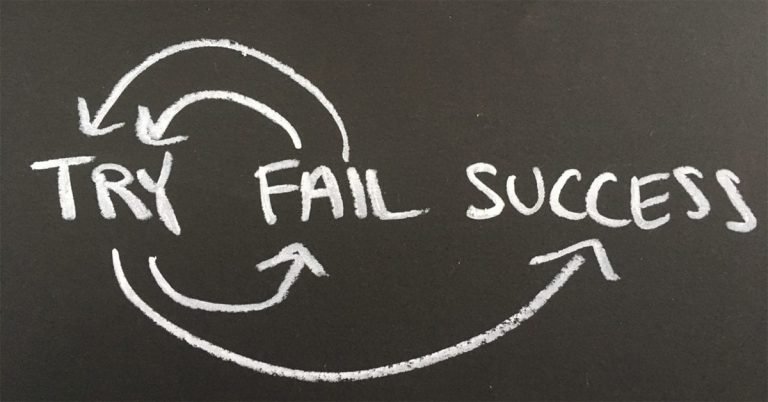
Failure is painful as it interferes with our self-image. It stimulates the inner critic, the voice, which tells, I knew you could not be good enough or you should have done better.
Failure is a personal experience psychologically, although not necessarily. We easily mix the results with identity. We do not think, this effort was not successful, but feel, I have failed.
It is that psychological jump that exhausts motivation.
Learning this difference is the initial step to mental development. Failure does not indicate an evaluation of your value or capability; rather it is feedback on a process.
Reframe Failure as Information, Not Judgment
In case you need to motivate yourself after failure, you need to re-define the way you read it.
Failure is data. It indicates you what did not work, what has to be changed, and what you do not grasp completely. When failure is considered as information it becomes helpful rather than crippling.
This change demands a conscious change of mind. Ask better questions:
- What did I learn on this experience?
- What would I do differently the next time?
- What was I more competent in than before?
This strategy is consistent with the growth mindset popularized by Carol Dweck that focuses on learning rather than labeling. Failure is no longer able to halt you when making learning the object of pursuit.
Quiet the Inner Critic Before It Takes Control
Once you fail, then your internal critic can be more persuasive and vocal. Failure to do so kills motivation.
The inner critic is an exaggerator/permanentizer. One error turns to be always, never, or everyone is better.
The negative is a negative self-talk, not in an imposed or unrealistic manner, but in a moderate and straightforward manner.
Instead of saying:
“I messed everything up.”
Try:
This did not go according to plan yet I can do better.
This isn’t denial. It’s accuracy.
By persistently addressing negative self-talk, you recondition your mind to react to failures in a cognizant manner rather than a shameful one. Such a shift of mind is necessary to regain motivation.
Give Yourself Permission to Pause Without Quitting
Motivation does not immediately come back after failure. And that’s okay.
The biggest errors individuals commit are to stress themselves to be recovered overnight. Frequently that kind of pressure can result in burnout or evasion.
It is one thing to pause and another one to quit.
Taking a break enables you to empty and rethink and refocus. Abandoning is putting an end to everything.
In case you require time, do it consciously. Carve out a time slot to take a break, and be determined to come back. Such balance allows your mental energy to be safe and yourself to keep on progressing.
Reconnect With Your Original Purpose

Failure may leave you out of your why. Once things fail to impress, one forgets all about why you began in the beginning.
When there is objective, the motivation increases.
Ask yourself:
- Why did this goal matter to me?
- What would success mean to my life?
- What are the values of such an effort?
Write your answers down. It is the strength of purpose that is visible.
It is more resilient when motivation is grounded on meaning as opposed to outcomes. You no longer seek validation but act in accordance.
Break the Goal Down Until Action Feels Possible
Big goals may be daunting after failure. The distance between the present and desired position seems bigger.
This is the point at which most individuals freeze.
The answer is the downsizing of the next step. Not the entire plan. Just the next action.
Movement brings back motivation rather than thinking. Decide on one small, simple thing you can accomplish on today. Something that is not too complicated and thus there is no excuse to resist.
Action rebuilds confidence. Motivation is driven by faith. This cycle is much more efficient than waiting to get ready.
Rewire Your Mind Through Consistent Small Wins
Evidence causes a reaction in your brain. Whenever you act, even in minor fashion, your brains revise their opinions of you.
That is the way you remake your mind following failure.
Small wins are important since they build confidence. They make you remember that you will be able to act, learn, and adapt.
Monitor the progress in uncomplicated manners. It is sufficient to have a checklist, a brief journal entry, or a weekly reflection. The goal is not perfection. It’s proof of effort.
These little signs restore motivation internally with time.
Shift From Outcome Obsession to Process Focus
Outcome obsession is one cause of failure making it discouraging. When success is measured by outcomes, any failure is terminal.
This is altered by process oriented thought.
Rather, the question is; Did I succeed? ask:
- Did I show up?
- Did I practice?
- Did I learn something useful?
This change aids in self-perpetual growth. It maintains the spirit of motivation despite lagging results under hard work.
Once the process becomes the win failure will have no power to pull you off track.
Surround Yourself With Constructive Input

Isolation tends to enhance self-doubt following failure. You repeat your errors over and over within yourself.
Formative feedback interrupts that cycle.
It does not imply the need to be validated. It involves interaction with individuals, material or societies that focus on development, education and tenacity.
One well-considered article, hearing good voices, or even just one honest conversation will help put failure into perspective.
It is usually after being reminded that you are not the only one in the fight when you get motivated again.
Turn Failure Into a Personal Reference Point
Failure may turn into a terminus or a point of reference.
In case you want to use the second alternative, failure is included in your story, not the conclusion of it. You start perceiving it as a chapter that influenced your way of doing things, enhanced your judgment and made you more decisive.
This change of perspective is strong. It is able to convert failure into a source.
Most of the long-term successful people do not evade failure. Each time, they know how to get over it at a quicker and more intelligent pace.
Practice Self-Compassion Without Lowering Standards
Self-compassion is usually thought of as self-excuse. It is in truth just being accountable to yourself without inhumanity.
You can admit that you are disappointed and contribute yourself to development.
Self-compassion sounds like:
This is important to me, and I can afford to struggle in the process of learning.
This will decrease the fear of failure in the future, therefore, making it more motivating. You are less afraid of falling, which is why you will be more likely to make a second attempt.
Create a Simple Restart Plan
When uncertainty is reduced then motivation is enhanced.
A brief restart plan includes three components:
- One clear goal
- One small daily action
- One weekly review point
Keep it simple. Complexity drains energy.
Restart plan provides a structure to the mind. It changes your mind to what it has gone wrong to what comes next. It is only such clarity that can restore motivation.
Conclusion: Failure Is Not the End of Motivation
Loss is cumbersome but it is not your tomorrow. How you respond to it is what defines it.
The moment you know how to get yourself going again after you fail, then you do not look at the failures as the end of the road. You consider them as obstacles yet they get you there.
Restructuring failure, engaging in positive self-conversation, concentrating on little things and safeguarding your mindset will give you a type of motivation that does not fade away when things go wrong.
Failure can make you slow, but it does not get to cease you.
It does not necessarily have to be the step to perfection. It just has to be taken.
FAQs: How to Motivate Yourself After Failure
1. Why is it so hard to feel motivated after failure?
Because failure triggers self-doubt and emotional stress.
2. How long does it take to recover motivation after failing?
It varies, but small actions can restore momentum quickly.
3. Can failure actually help with self-improvement?
Yes, failure provides feedback that supports learning and growth.
4. How do I stop negative self-talk after failing?
Replace harsh thoughts with balanced, realistic statements.
5. Should I take a break after failure?
Yes, short intentional pauses help without leading to quitting.
6. What if I fail again after restarting?
Each attempt builds experience and resilience.
7. Does mindset really affect motivation after failure?
Yes, a growth mindset supports persistence and recovery.
8. What’s the first step to moving forward after failure?
Choose one small, manageable action and complete it.