


Introduction: Why Motivation Feels Unreliable
Majority of the individuals begin their goals with a lot of enthusiasm. Another day, another routine, another plan, a powerful blast of inspiration. During several days, everything becomes easy. Then life happens. Energy drops. Motivation fades. And progress stalls.
Most people are frustrated and confused with this cycle. You can start questioning yourself, why is it not possible to maintain motivation? or “What’s wrong with me?”
The problem isn’t you. It’s the story you’ve been told.
Our society is built around the culture of glorifying motivation as the determinant of success. But motivation is psychological, short-term and capricious. Depending on it alone will predispose you to give in when things become unpleasant.
It is here that the myth of discipline vs motivation fits. It is not constant excitement which leads to success.
What you will find in this article is what really makes you successful, how to reprogram your mind to be consistent and how to develop mental resilience, which can endure even when you are no longer motivated.
Understanding the Discipline vs Motivation Myth
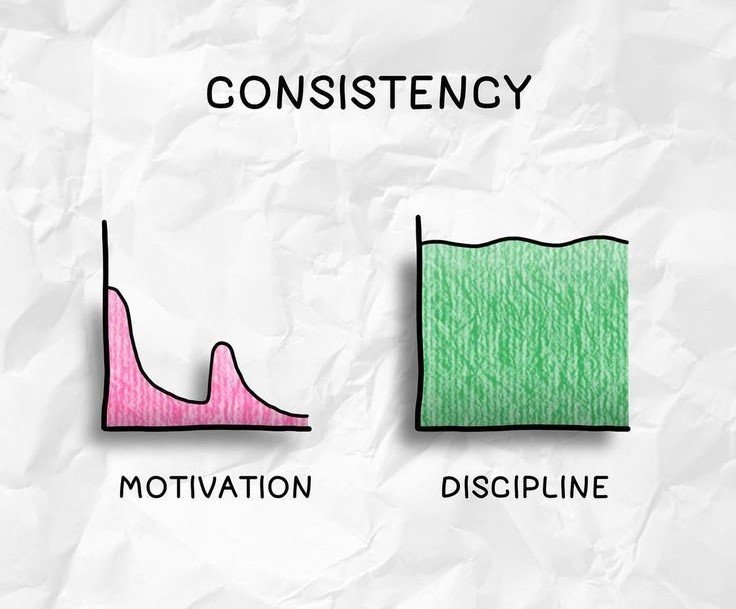
The factor of motivation and discipline may be considered as opposing, which is not the case.
Motivation is a feeling. It is inspired, emotional or extrinsic. Discipline is a system. It is the power to do anything no matter what you feel.
The myth advises that you should be able to be either one or the other. The fact is that, motivation is able to initiate action but discipline maintains it.
Motivation says” I do feel like doing this to-day.”
Discipline reasons “I do this because it is necessary.”
When individuals pursue motivation, they wait until the appropriate mood comes. When individuals who are disciplined do so, they create progress even during the days when there is low energy.
This disparity is the reason why others can achieve success without appearing to be more gifted or motivated. They are not more motivated. They are more consistent.
Why Motivation Alone Fails
Motivation is not a reliable nature. It varies depending on mood, sleep, stress and external conditions. Motivation is one of the earliest things to be lost when life is no more easy.
This gives rise to a dangerous trend:
- You are inspired and you get off on the right foot.
- Motivation drops.
- You stop.
- Impulse to guilt and self negation replace it.
- You wait till you can be motivated back.
This habit gradually trains your inner critic, and over time, you will believe that you are too weak or disorganized to have willpower. As a matter of fact, you were depending on the wrong driver.
Motivation is reactive. It depends on how you feel. It takes an initiative to be successful.
What Discipline Really Means (And What It Doesn’t)
Discipline is usually misinterpreted as severe, strict and oppressing. Such a misconception drives people out of it.
Punishment is not real discipline. It’s structure.
It is making choices beforehand on how you will behave such that your emotions do not dictate your behavior. Discipline decreases the decision fatigue and gets negotiation off the habit.
Discipline does not mean:
- Burning out making yourself.
- Ignoring rest or balance
- Being perfect
It involves the construction of structures that facilitate improvement even in the cases when the motivation is minimal.
Discipline based on purpose will be liberating as opposed to binding.
The Role of Mindset in Long-Term Success
The response to the loss of motivation depends on your mindset.Fixed mentality views challenge as failure. Growth mindset explains difficulty as an element of learning. This difference turns it all round.
Carol Dweck, a psychologist, came up with the concept that people who hold on to the growth mindset are more likely to complete it as they view hard work as improvement and not evidence of failure.
When you adopt this mindset:
- You quit when you have bad days.
- You dissociate work and self-esteem.
- You will remain active without emotional gratification.
This attitude is necessary to mental development and self-enhancement in the long term.
How Discipline Rewires Your Mind
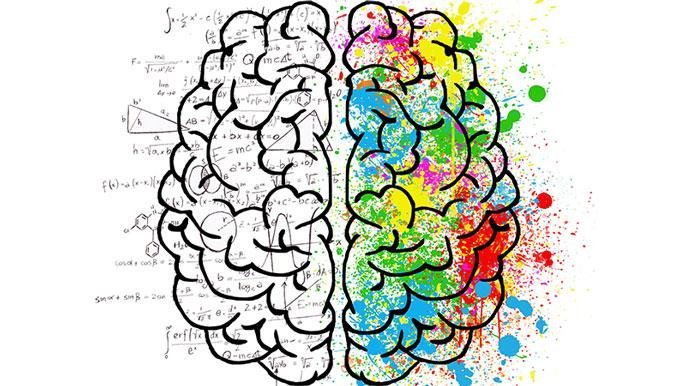
The brain is altered through consistency. Repeating an action will make your brain reinforce the neural tracks of that kind of behavior.
This is what discipline assists in rewiring your mind.
Whenever you act despite the opposition, your brain gets to know that you do not need motivation to act. Habits develop automatically overtime. What was previously a challenge, becomes a norm.
Discipline makes your inner critic weaker since action makes evidence. You put aside your argumentation with yourself and begin to trust yourself.
The fact that it comes with trust is in itself a strong motivation.
Why Discipline Outlasts Motivation
Motivation is result-oriented. Punishment relies on identity.
As you can say,” I exercise when I am motivated, your actions rely on emotion”. When you tell yourself,” I am a person who trains regularly, what you do is consistent with what you think you are.”
When it is identity-based, then discipline becomes sustainable.
To brush your teeth you do not need an inspirational feeling. You feel like doing it because it is in your nature. This is the same case with work, learning and personal growth.
Boredom, stress and doubt do not surpass the actions when they are tied to identity.
The Hidden Power of Positive Self-Talk
Discipline does not imply being strict with oneself. As a matter of fact, consistent harsh self-talk tends to undermine consistency.
Positive self-talk helps in building up discipline because it helps in supporting hard work but not results.
Instead of saying:
“I failed again.”
You say:
“I showed up. That matters.”
This change diminishes emotional tension. Once your internal conversation is encouraging, discipline is not as forceful, rather, it is more like being in tune.
This will eventually rewire your reaction to disappointments. You get better faster and move on rather than giving up.
Where Motivation Still Matters
Motivation is not useless. It plays a specific role.
Motivation is helpful for:
- Starting something new
- Setting goals
- Developing enthusiasm and vision.
But inspiration is a fire, not the steam.
When one starts doing something, discipline sets in. Successful individuals do not wait to be inspired once again. They are based on the already existing routines, systems and habits.
This balance will help to avoid burnout and disappointment.
How to Build Discipline Without Burning Out

The most effective discipline is one that is realistic and sustainable.
Start small. Develop consistency rather than intensity. A little thing done on a daily basis is better than large things done on a few occasions.
Ease tension through prior planning. Make choices on what, when, and how to act. This eliminates negotiation on a day to day basis.
Allow flexibility. Discipline is not maintaining perfection, but coming back to the way.
Above all, bind discipline with meaning. Discipline is no longer compulsory when it complies with your actions.
What Actually Drives Success
Constant motivation does not make people successful. It’s driven by:
- Clear systems
- Consistent action
- A supportive mindset
- Self-trust built over time
Momentum is created through discipline. Confidence is the result of momentum. Future action is driven by confidence.
This cycle is much more effective than emotional motivation.
Successful people cannot escape the feeling of doubt and exhaustion. They have just been taught to behave without the ideal emotion.
Conclusion: Stop Chasing Motivation, Start Building Discipline
The myth of discipline versus motivation has also misled so that people wait rather than taking action. Motivation comes and goes. Discipline stays.
Having developed discipline, you cease to be dependent on feeling and become dependent on framework. You deafen your inner critic by doing it. Your mental growth comes as a result of being there.
Motivation is the beginning of the process, discipline the end.
To achieve the true self-improvement, you need to quit inquiring how to feel motivated and begin querying how to act on a regular basis. The change in that direction is everything.
FAQs: The Discipline vs Motivation Myth
1. Is discipline more important than motivation?
Yes, discipline sustains action when motivation fades.
2. Can you succeed without motivation?
Yes, consistent systems matter more than emotional drive.
3. Does discipline mean forcing yourself?
No, it means creating structure that supports action.
4. How do I build discipline if I feel unmotivated?
Start small and focus on consistency, not intensity.
5. Can mindset really affect discipline?
Yes, a growth mindset supports persistence and recovery.
6. How does positive self-talk help discipline?
It reduces self-criticism and supports long-term consistency.
7. Why do motivated people still fail?
Because motivation alone is temporary and unreliable.
8. What’s the fastest way to build discipline?
Remove decision-making by planning actions in advance.